AI Headshots
“AI headshots are not the end of photography; they’re the beginning of a new kind of choice."
- Mark Zimmerman, Founder - VeraLooks
Introduction
If you need a great headshot, you've had to rely on the services of a photographer. This is no longer the case now with AI.
Here's a question for you: "What is a "real" photograph?"
Is a real photograph one that's been taken with a film camera? And so that makes our current Digital cameras fake? Or is a real photo one that's taken with a Digital camera? Which, in reality, just a series of bits and bytes glued together. What about photos taken with our phones? Real or fake? And what if we take a "bad" photograph? Is that fake or real? What if we take a photo with a digital camera and edit it with AI-enhanced software (almost all of these softwares use AI now), is that still a "real" photo?
You get the idea. The water is perfectly muddy.
Table of Contents
AI Headshots
Introduction: Headshots in a Changing World
Section 1: The Rise of AI in Photography
Section 2: The Current State of Headshot Photographers
Introduction: Headshots in a Changing World
Headshot photography has always been more than a nice picture; it’s the visual handshake of modern life. Actors have long relied on headshots to catch the eye of casting directors, while corporate professionals, entrepreneurs, and creators depend on them for LinkedIn, company websites, and personal branding. A strong headshot says, “This is who I am, and I’m serious about what I do. I'm a professional.”
As a headshot photographer, this has been the world for years: studio lights, carefully chosen backdrops, posing guidance, expression guidance and the subtle work of helping people feel confident in front of a camera. Over time, that process became almost ritual; book a session, prepare outfits, perhaps do hair and makeup, and then step into the space where you are simultaneously vulnerable and empowered.
In the last few years, though, that familiar landscape started to shift. AI technology has entered the scene, offering a completely different way to create headshots: upload a few casual photos, let an algorithm study your face, and receive a collection of portraits without ever stepping into a studio. The main question is no longer “Do I need a headshot?” but “What kind of headshot experience is right for me?”
This article explores the current and future environment of headshot photography in the age of AI and how the technology is changing the game, what it means for photographers and clients, and why, even as AI becomes more powerful, many people still clearly want the very human experience of working with a real photographer. And of course, as a professional headshot photographer, I'm here for those folks that want the "real" thing.
Section 1: The Rise of AI in Photography
AI has been creeping into photography for years, first in smartphone cameras that automatically adjust exposure and apply computational enhancements, then in tools that remove backgrounds, boost resolution, or retouch skin at the click of a button. The more recent shift, though, is from AI that edits photos to AI that actually creates them.
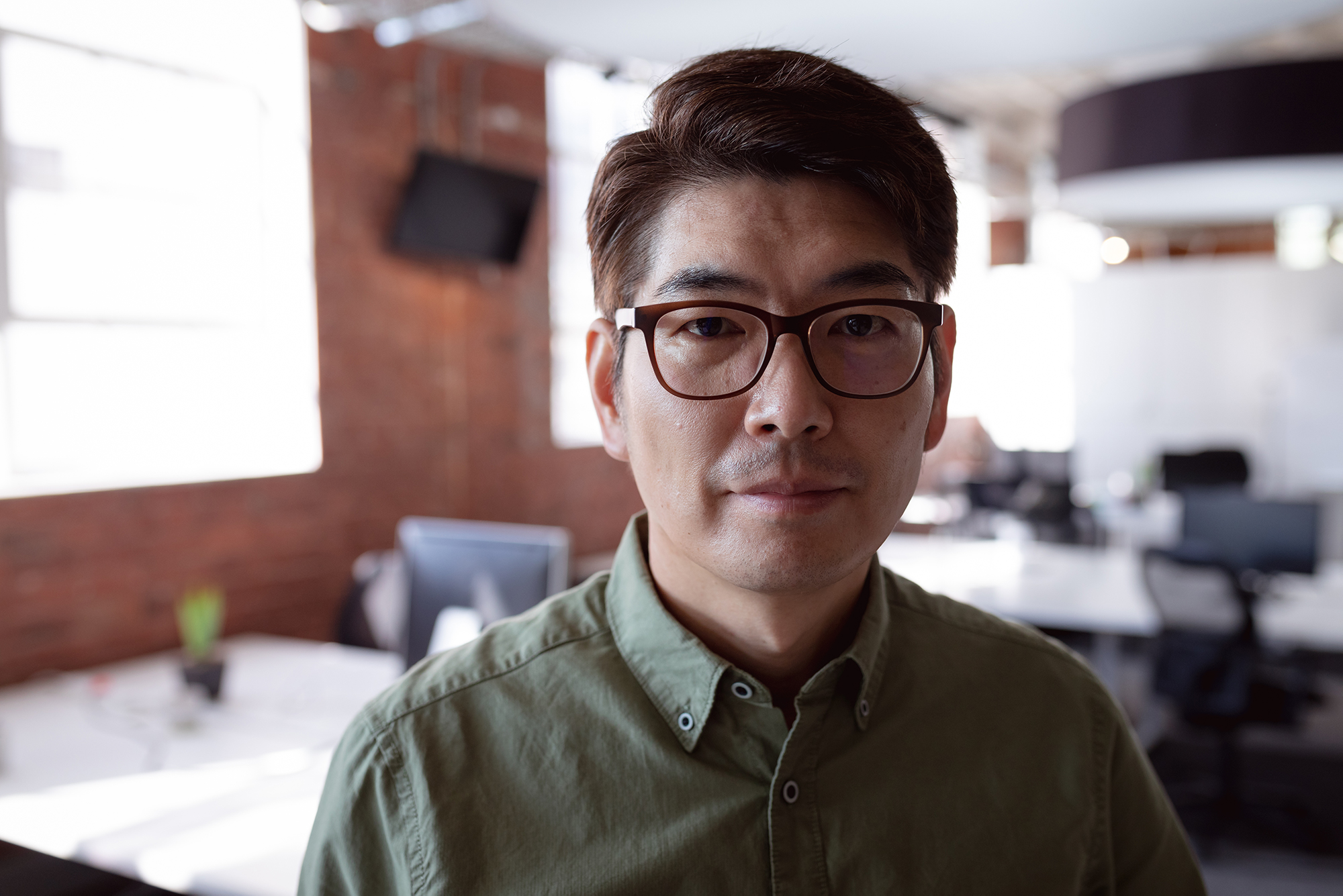
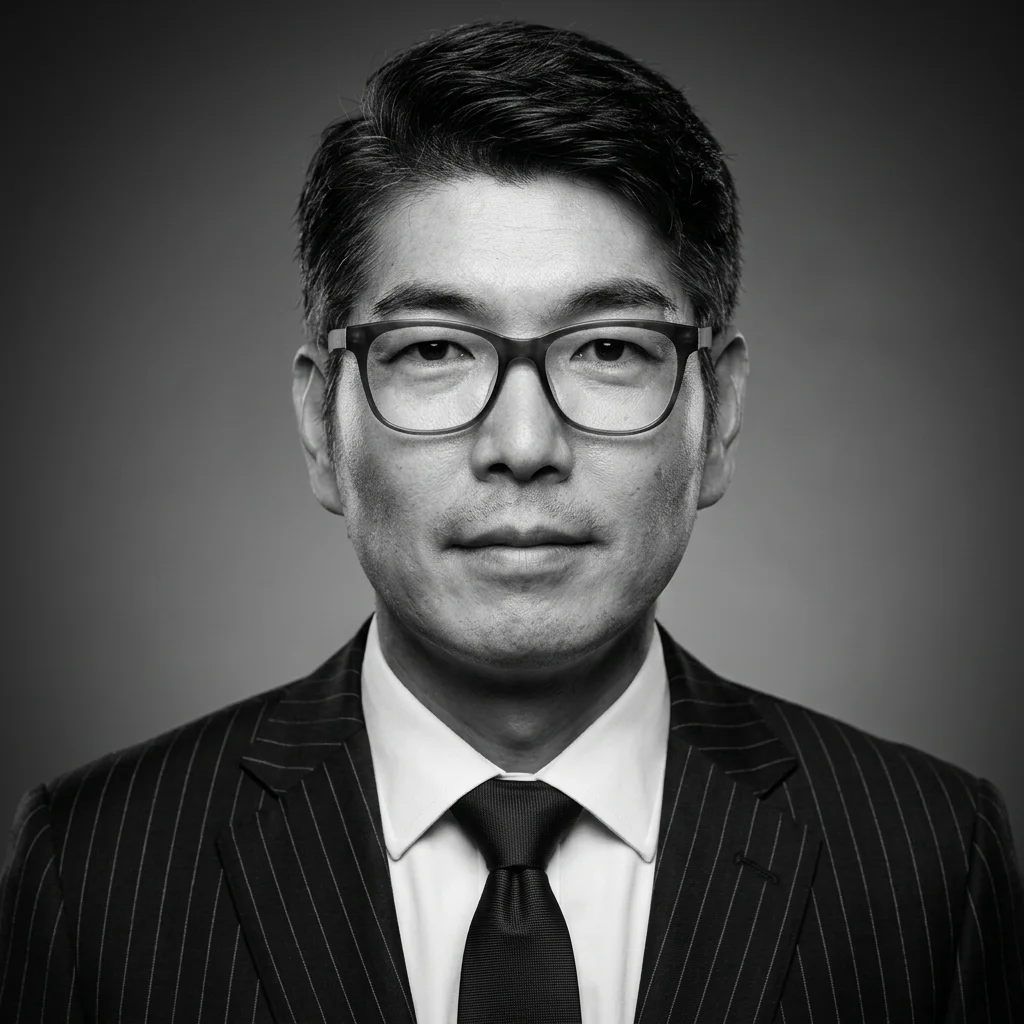
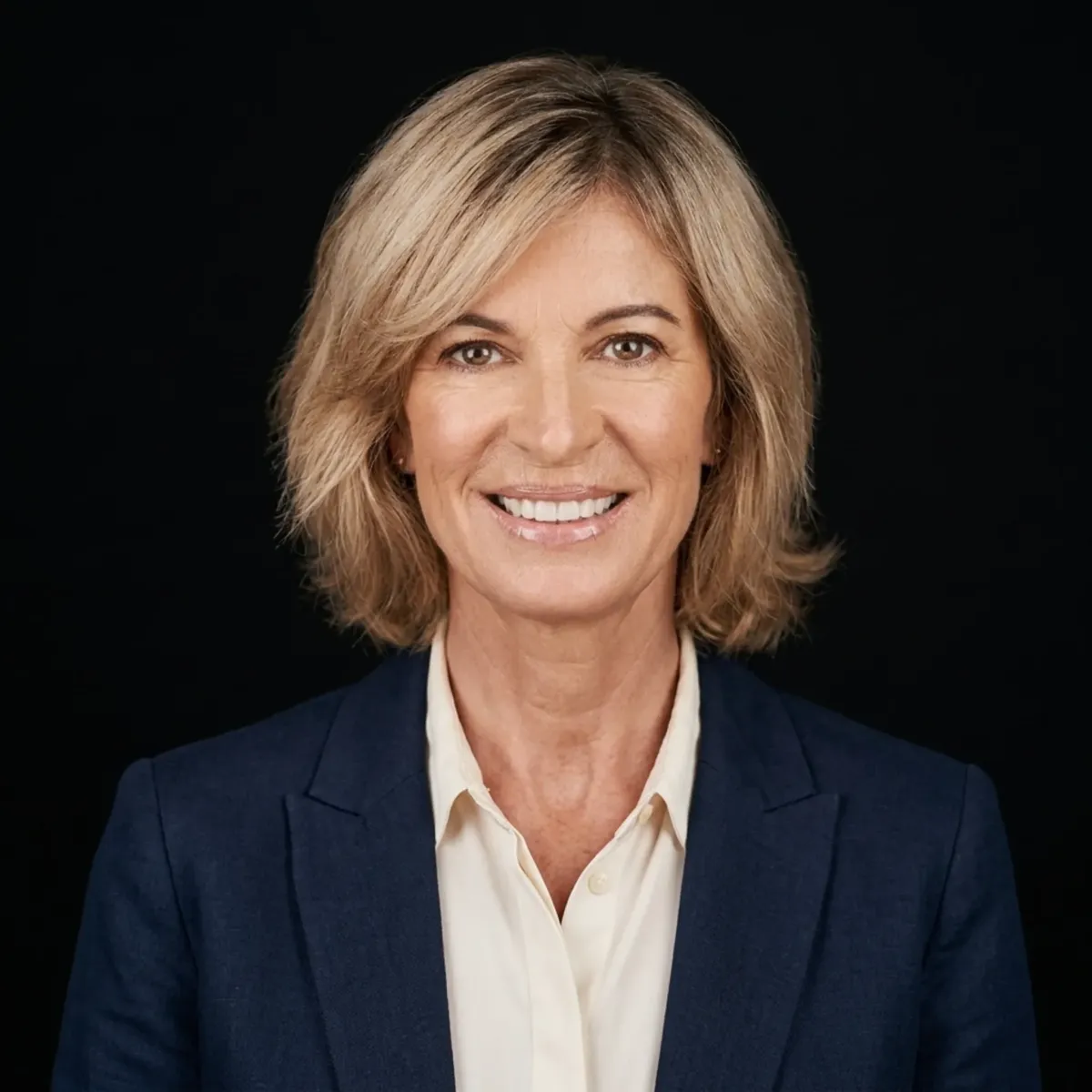
AI headshot generators take a handful of your existing photos, anything from selfies to casual snapshots and use machine learning models to understand your facial features. From there, they generate entirely new images that look like studio portraits: flattering lighting, clean backgrounds, professional attire, and a range of expressions. Platforms like HeadshotPro, Aragon, Secta Labs, and many others have popularized this approach, turning what was once a scheduled appointment into something you can do from your couch.
The implications for traditional headshot photographers are hard to ignore. On one level, AI headshots introduce new competition, especially at the entry point of the market. People who might have been on the fence about paying for a professional session now have an alternative that is:
Fast– Often delivering results within hours, or even minutes.
Efficient– Producing dozens or even hundreds of options from one upload.
Cost‑effective– Typically priced lower than a full in‑person session.
From a purely functional standpoint, AI scores highly on quality, efficiency, and cost‑effectiveness for many everyday needs. The images can be sharp, well‑lit, and “professional enough” for use on LinkedIn, corporate profiles, or simple marketing materials.
However, quality isn’t just about technical sharpness or a blurred background. It also includes likeness (how much the images really look like you), realism (whether they feel believable rather than uncanny or give that famous "dead eyes" look), and taste (how natural the retouching and styling appear). This is where the experience and eye of a photographer still matter—and where AI tools are starting to evolve by learning from that expertise.
That evolution is part of why I created VeraLooks, an AI headshot platform informed by the perspective of a working headshot photographer. The goal with VeraLooks is to take what photographers know about flattering light, natural skin, realistic expressions, and professional composition and bake those principles into how the AI generates images. Instead of just making “AI‑ish” portraits, it aims to make headshots that feel like they could have been taken in a real studio.
Section 2: The Current State of Headshot Photographers
So where does that leave human headshot photographers today? Contrary to the fear‑driven narrative, there is still strong demand for real sessions. The market has become more segmented rather than simply shrinking.
On one end are clients who prioritize convenience and speed. They may not have booked a traditional session in the past because of cost, time, or anxiety about being photographed. AI headshots meet them exactly where they are. For this group, the emergence of AI didn’t “steal” them from photographers; it opened a door they were never going to walk through otherwise.
On the other end are clients who care deeply about nuance, experience, and relationship. These are:
Professionals building or reworking their personal brands.
Founders, creators, and public‑facing leaders who want their headshot to align with a bigger story.
People who know they get nervous on camera and want a human guide by their side.
These clients are still booking photographers—and many of them have tried AI first. Some come in saying, “I generated some AI headshots that were okay, but they didn’t quite feel like me.” Others say, “The images looked good, but I want something grounded in reality, taken on a day when I actually felt like myself.”
Photographers are adapting in several ways:
Leaning into what only humans can do
Many photographers now emphasize coaching, expression, brand strategy, and the overall experience of the session—things AI cannot replicate. The marketing message is shifting from “I take nice photos” to “I help you show up as your best self in front of the camera.”Offering hybrid or AI‑enhanced services
Some photographers offer add‑on AI packages: after a real session, they use AI to generate additional looks, backgrounds, or crops, essentially multiplying the value of the shoot. Others offer AI‑based headshots as a lower‑priced tier to serve clients who aren’t ready for a full in‑person experience.Almost every headshot photographer already uses AI... to EDIT your photos
Every competent and professional headshot photographer edits the photos they provide to their clients. This practice is extremely common and has been going on for decades. Now, though, AI is built into most editing software like Photoshop and Lightroom and Capture One. There's even an entire app/platform called Evoto that uses AI exclusively to edit client photos. And photographers love these enhancements.Developing or partnering on AI platforms
I've decided to build my own solution to ensure that AI tools reflect real‑world photographic standards. VeraLooks is my app and is an example of what a trained eye can bring to the table. The idea is to create AI headshots that respect realism, individuality, and professional aesthetics, rather than chasing overly polished, plastic‑looking images. But, he's also brought his customers more than just sophisticated headshots, he's created a Brand Image System that enables his customers to actually build their Personal Brand.
Despite the changes, the core value of a human photographer is surprisingly consistent:
Creativity– Seeing possibilities in angles, expressions, and lighting that a template or model may not.
Personal touch– Knowing when a client needs a joke, a moment to breathe, or a subtle adjustment in pose.
Understanding client needs– Translating a vague goal (“I want to look approachable but confident”) into specific visual choices.
In short, AI has challenged photographers to be clearer about the value they provide—but it has not erased that value.
Section 3: The Future of Headshot Photography
Looking ahead, AI will almost certainly become more powerful, more accessible, and more subtle. Future systems are likely to:
Capture an even truer likeness, including small asymmetries and unique features that make a face feel like you.
Offer more precise control over styling, expression, and mood, moving beyond pre‑set “business” or “creative” looks into more nuanced choices.
Incorporate context, asking about your profession, industry, and personality so that the final images align more thoughtfully with how you want to be perceived.
For headshot photographers, this future doesn’t have to be a threat; it can be an invitation to evolve. Several scenarios seem plausible:
Collaboration with AI
Photographers use AI as part of their workflow: to explore concepts with clients before a shoot, to generate mood boards and style guides, or to create complementary AI headshots that sit alongside real photographs across platforms.Specialization and deeper differentiation
As AI handles more of the “good enough” headshot demand, human photographers may focus more on high‑touch, specialized experiences: executive branding sessions, creative or editorial portraits, team culture shoots, or on‑location storytelling. These are areas where the richness of human interaction matters more than ever.Diversification of services
Photographers may expand into consulting (helping businesses choose and implement headshot solutions), licensing their visual style to AI platforms, or running hybrid studios that offer both AI and in‑person options under one brand.
Through all of this, one theme stays constant: the importance of adapting. The photographers who thrive will likely be those who:
Stay curious about new tools rather than dismissing them.
Get clear on what makes their human‑led sessions uniquely valuable.
Are willing to experiment with new formats, packages, and collaborations.
From the client’s perspective, the future is overwhelmingly positive: more choice, more flexibility, and more ways to find a headshot experience that fits both practical needs and personal comfort.
AI Is Great for Many—And Not for All
One of the most important truths to hold onto is this: AI headshots are great for many people, but not great for all. Some people will always prefer to work with a real, human photographer, and that preference is valid and deserves no judgment.
You might choose AI if you:
Need something quickly and affordably.
Want to experiment with different looks before investing in a full session.
Prefer the control and privacy of creating images from home.
You might choose a human photographer if you:
Want guided support, reassurance, and collaboration.
Care about the experience as much as the final image.
Have specific concerns or a complex story that you want reflected in your photos.
And you might choose both at different times in your life and career.
As a photographer and as the creator of VeraLooks, the goal is not to declare a winner between AI and traditional photography. It’s to create a richer ecosystem of options. AI can open doors for people who were never going to step into a studio; human photographers can continue offering depth, nuance, and connection that no algorithm can replace.
The future of headshot photography is not about choosing sides. It’s about using every tool available—lights, lenses, conversations, and now algorithms—to help people see themselves clearly, confidently, and authentically.